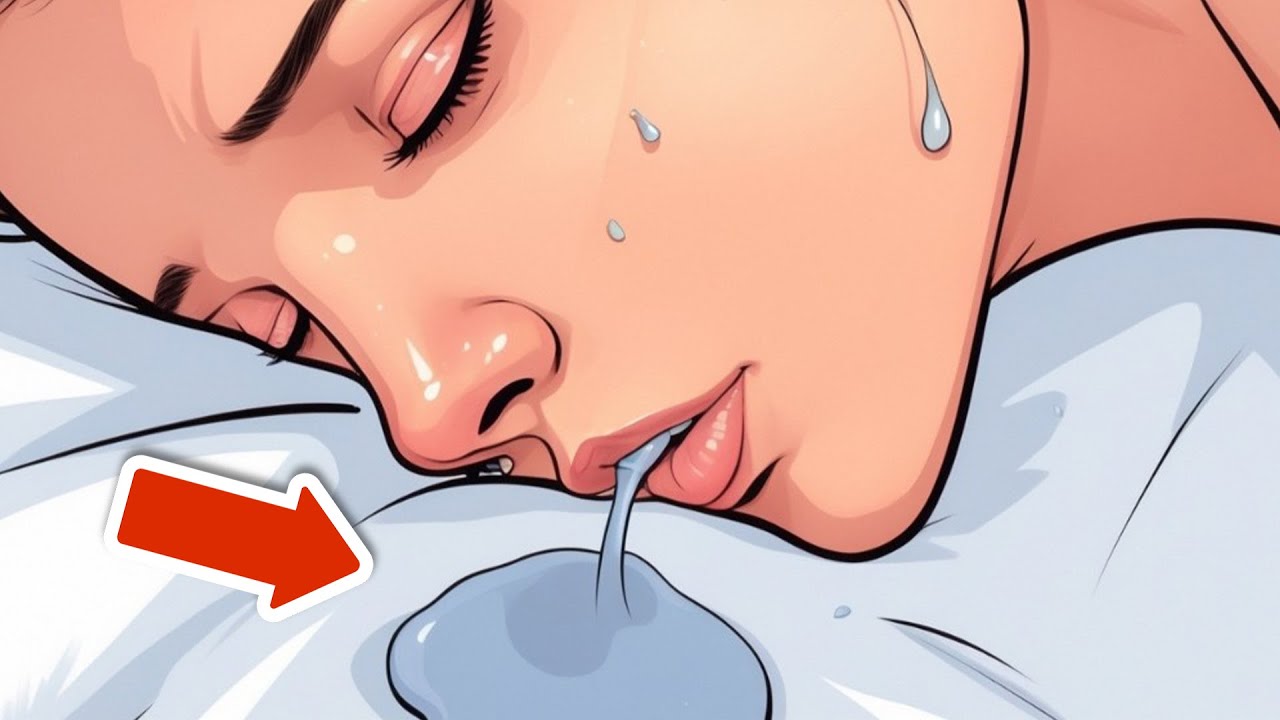
8 Health Issues Linked to Sleep Drooling You Need to Know About!
Health Issues Linked to Sleep Drooling You Need to Know About
- Introduction
- Common Causes of Sleep Drooling
- Health Implications of Sleep Drooling
- Mistakes to Avoid
- FAQ
- Conclusion
Introduction
Waking up to find your pillow dampened by drool can be an uncomfortable surprise. Many people experience this, but few understand the underlying reasons and potential health implications. While it may seem like a minor inconvenience, sleep drooling can sometimes signal deeper issues that deserve your attention. Understanding these aspects can empower you to seek remedies or professional advice. Let’s explore what sleep drooling may reveal about your health and how you can address it.
Common Causes of Sleep Drooling
Sleep drooling can occur for various reasons, and identifying the cause is essential for finding the appropriate remedies.
1. Sleeping Position
Your choice of sleeping position can significantly impact drooling. Sleeping on your back may keep your mouth closed, whereas sleeping on your side or stomach can encourage saliva accumulation. If you notice increased drooling, consider adjusting your position.
2. Allergies and Nasal Congestion
Allergies can lead to nasal congestion, prompting you to breathe through your mouth during sleep. This can increase saliva production. Identifying allergens and managing them can often help reduce this issue.
3. Medications
Certain medications can have side effects that contribute to drooling. Some antidepressants and medications for Parkinson’s disease can cause excess saliva production. If you suspect your medication may be at fault, consult your healthcare provider for advice.
Health Implications of Sleep Drooling
Though drooling might seem trivial, it can sometimes indicate more serious health conditions.
1. Sleep Apnea
Sleep apnea, characterized by interrupted breathing during sleep, can lead to increased drooling. If you struggle with excessive daytime drowsiness or frequently wake up gasping for air, it may be time to consult a sleep specialist.
2. Neurological Disorders
Conditions such as Parkinson’s disease and multiple sclerosis can affect muscle control and saliva regulation, leading to drooling. If you experience other symptoms, such as tremors or loss of coordination, seek medical evaluation.
3. Gastroesophageal Reflux Disease (GERD)
GERD can cause an increase in saliva as the body tries to neutralize stomach acid. If you also experience heartburn or regurgitation, addressing GERD may help manage drooling.
Mistakes to Avoid
Managing sleep drooling involves understanding what to avoid.
- Ignoring Symptoms: If drooling is accompanied by other persistent symptoms, ignoring these signs may lead to worsening health issues.
- Self-Diagnosing: Making assumptions about the cause of drooling can lead you astray. Always seek a professional diagnosis.
- Neglecting Oral Hygiene: Poor oral hygiene can exacerbate drooling or lead to infections. Maintain a consistent oral care routine.
FAQ
What causes sleep drooling? Sleep drooling can be caused by various factors such as sleeping position, allergies, medications, and certain health conditions like sleep apnea.
Is sleep drooling a sign of a serious condition? While it can be a simple inconvenience, sleep drooling may indicate underlying health issues. Consulting with a healthcare provider is recommended if it persists.
How can I reduce sleep drooling? You can try adjusting your sleeping position, managing allergies, or consulting with a professional regarding your medications.
Conclusion
Being aware of the health implications linked to sleep drooling is essential for your overall well-being. By understanding the causes and signs, you can address any underlying concerns. Have you experienced sleep drooling, and what measures have you taken to manage it?