7 Surprising Health Signs Your Tongue Can Reveal About You
7 Health Signs Your Tongue Can Reveal About You
Have you ever taken a moment to look at your tongue? While it might seem like a mundane part of your body, your tongue can actually reveal a lot about your overall health. Whether it’s a strange color, unusual texture, or unexpected coating, these signs could indicate underlying health issues you might not be aware of. Understanding what your tongue says about your health can help you take proactive steps toward well-being. Keep reading to find out the surprising signals your tongue can send.
The Color of Your Tongue
Your tongue’s color can offer significant clues about your health. Noticing how it changes can guide you to the right care or remedies.
1. Pale Tongue
A pale tongue may indicate low energy levels or anemia. This symptom often suggests that your body is low on iron or other vital nutrients. If you notice this color consistently, consider consulting with a healthcare professional.
2. Red Tongue
A bright red tongue can point to various conditions such as infections or vitamin deficiencies, particularly of Vitamin B12. If your tongue maintains this hue over time, exploring dietary changes or supplements may be beneficial.
3. Blue or Purple Tongue
A blue or purple tint can signal issues with circulation or respiratory problems. This condition, known as cyanosis, requires medical attention to diagnose and treat the underlying cause.
The Texture of Your Tongue
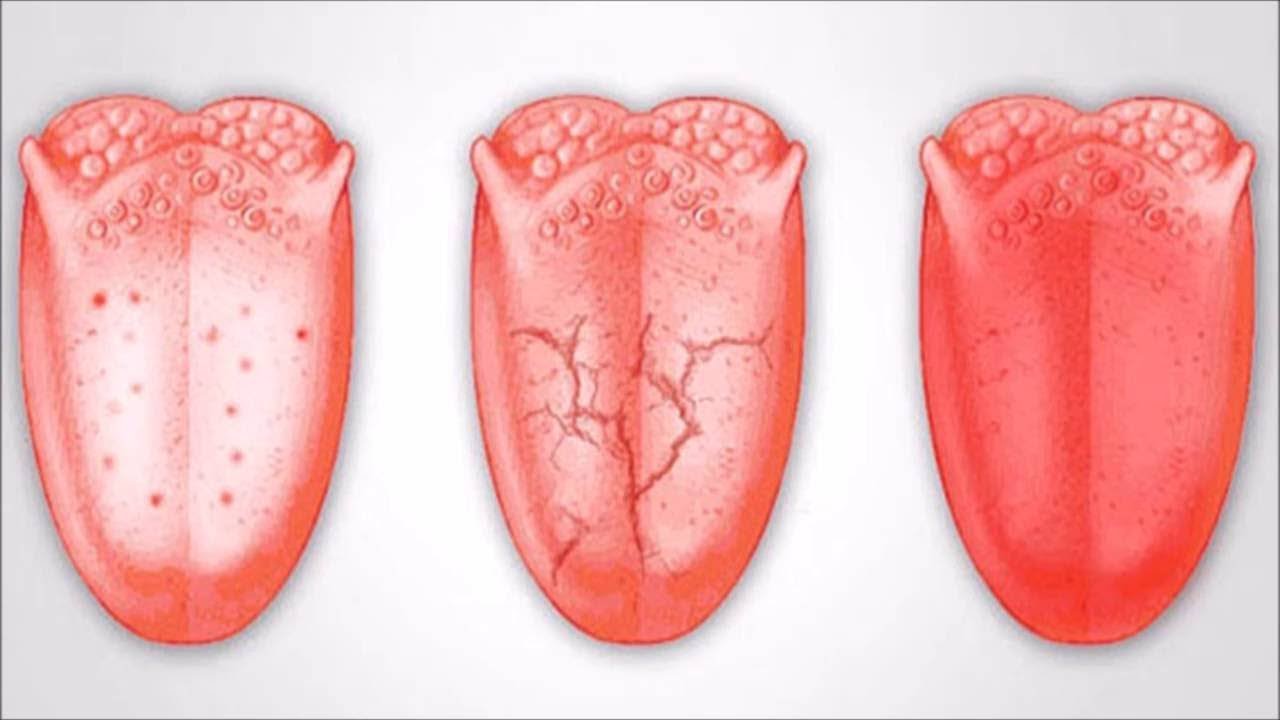
The texture of your tongue can reveal information about your oral hygiene and digestive health.
1. Smooth Tongue
A smooth tongue, often devoid of papillae, can indicate a deficiency in certain nutrients, such as iron, folate, or B vitamins. Maintaining a balanced diet rich in these nutrients could help restore the tongue’s texture.
2. Bumpy or Coated Tongue
If your tongue feels bumpy or coated, it might be a sign of oral infection, dehydration, or poor hygiene. Make sure you are adequately hydrating and practicing good oral care to mitigate these issues.
3. Fissured Tongue
A fissured tongue, characterized by grooves or cracks, can be a benign condition. However, it can also be linked to vitamin deficiencies. Regular hydration and proper oral hygiene may alleviate symptoms.
The Coating on Your Tongue
The bacterial buildup on your tongue can indicate more than just a need for brushing.
1. White Coating
A white coating might suggest oral thrush or a sign of dehydration. Evaluate your daily water intake and consider increasing it if needed. If the coating persists, seeking medical guidance is advisable.
2. Yellow Coating
A yellowish coating often hints at a digestive issue or a buildup of bacteria. Focus on gut health by incorporating probiotics into your diet, which can help restore balance.
3. Brown Coating
This could indicate poor oral hygiene or tobacco use. Enhancing your oral care routine or considering cessation may improve your tongue’s appearance and your overall health.
Common Mistakes
Being aware of the signs your tongue reveals is important, but there are common pitfalls to avoid.
1. Ignoring Changes
Many people overlook changes in their tongue’s appearance, attributing them to temporary conditions. Regular checks can help catch potential health problems early.
2. Self-Diagnosing
It’s tempting to jump to conclusions based on tongue appearance alone. Always consult a healthcare professional for a comprehensive evaluation.
3. Poor Oral Hygiene
Neglecting your oral hygiene can exacerbate tongue issues. Daily brushing, including your tongue, along with regular dental visits, supports overall health.
FAQ
What does a healthy tongue look like? A healthy tongue should be pink and covered with small bumps known as papillae. It should be free from any unusual spots, coatings, or colors.
Can my tongue’s condition change day by day? Yes, various factors, including diet, hydration, and stress levels, can affect the appearance of your tongue daily. Keeping an eye on these changes can provide insights into your health.
When should I be concerned about my tongue? If you notice persistent changes such as unusual colors, textures, or coatings, it’s wise to consult a healthcare professional for an accurate assessment.
In summary, your tongue can offer valuable insights into your health. By paying attention to its color, texture, and coating, you can become more aware of your body’s needs. Have you noticed any changes in your tongue recently that concern you? Share your experiences in the comments!